Preserving Tradition: The Story of the Parker Duofold and Janesville
A Pen, a City, a Legacy
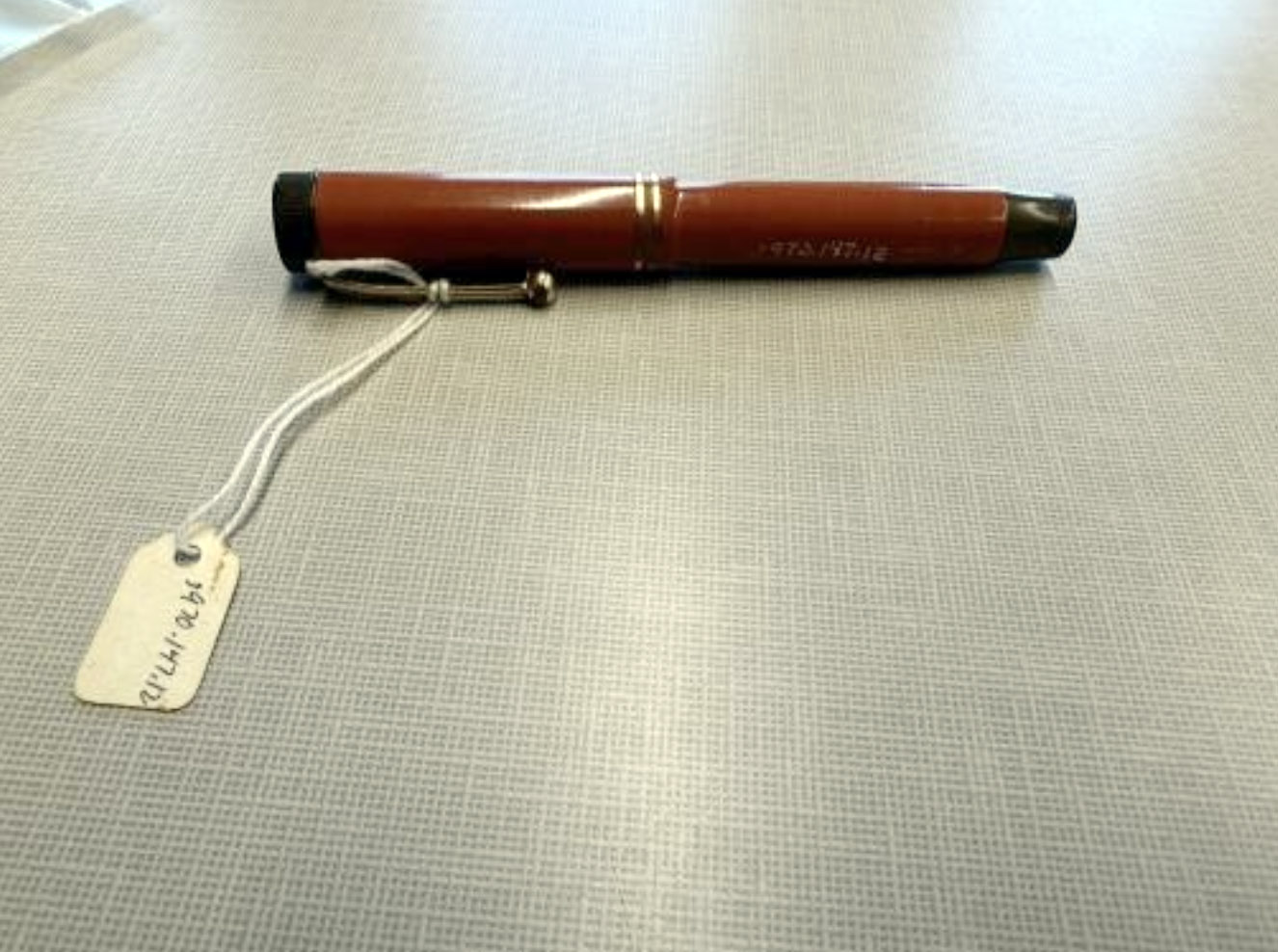
Since Lewis Waterman began mass-producing fountain pens in 1884, the practicality and comfort of the pen have made it a favorite among Americans. In 1888, George Safford Parker founded the Parker Pen Company in Janesville, Wisconsin, introducing the city to the growing trend. In 1921, the Parker Duofold pen, manufactured in Janesville, became an indelible symbol of the city—much like the Lakers are associated with Los Angeles. From its inception to its enduring legacy, the Parker Duofold interweaves Janesville’s economic and cultural development. The story of this iconic pen, which highlights Janesville’s unique place in Rock County’s history, can be found in an exhibit at Rock County Historical Society’s Helen J. Wood Museum Center. |
The History of Parker Pens in Janesville
In 1888, Janesville became the home of the Parker Pen Company, thanks to the entrepreneurial vision of George S. Parker. The city’s skilled workforce and convenient transportation network provided fertile ground for the company’s growth. From its initial operation in the Myers Opera House Building in 1892 to its relocation to East Court Street due to space constraints and growing equipment needs, Parker pens became a cornerstone of Janesville’s industrial economy, bringing jobs and prestige to the community. However, in 2009, the last 153 employees in Janesville were laid off as competition and corporate restructuring led to the company’s departure. This marked the end of Parker Pen’s long and storied history in Janesville. |
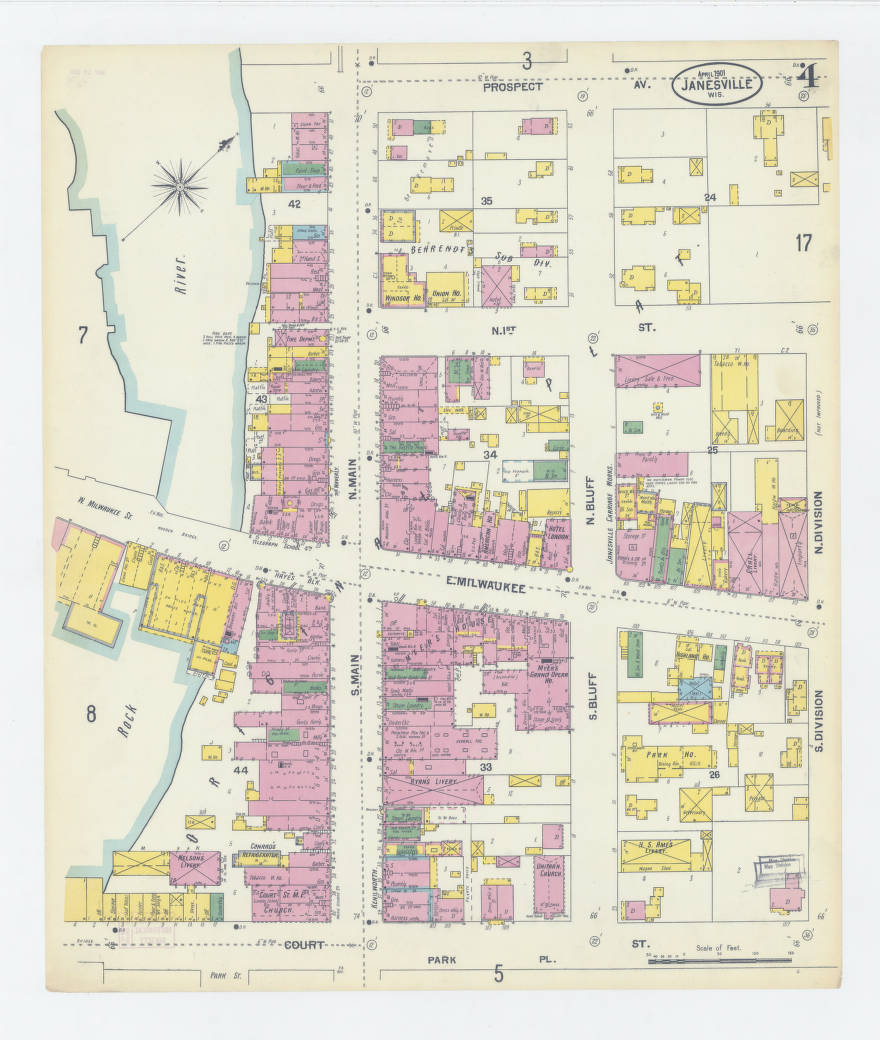
The location of Myers Opera House in Map, where is the first location of Parker Pen in 1901 [source]
Parker Duofold: A Tool of Prestige and Progress
Although Parker Pen’s chapter in Janesville has closed, the Parker Duofold has left an indelible mark on history. More than just a writing tool, the Duofold is a statement of sophistication. Favored by professionals, politicians, and celebrities, it symbolizes success and refinement. Its popularity elevated Janesville’s reputation as a center of quality craftsmanship, linking the city to the broader narrative of American innovation. The pen’s global appeal brought recognition to this small Wisconsin town, showcasing the ingenuity and dedication of its residents. |
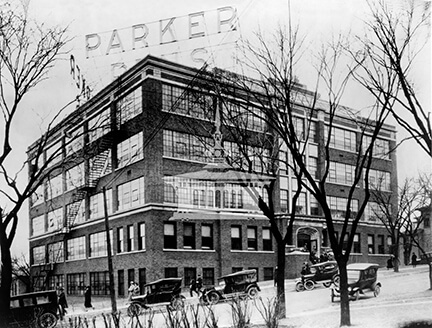
The Parker Pen Company building circa 1920 [source]
Connecting Janesville’s Past and Present
Examples of the Parker Duofold pen now reside in the Helen J. Wood Museum Center, part of the Rock County Historical Society. Founded in 1948, the Society is dedicated to sharing Rock County’s history and helping museums and historic sites throughout the county tell the stories of their communities. The Helen J. Wood Museum, originally opened in the early 1900s, has become a gathering place where community members learn about their ancestors and the innovations that shaped their lives. The legacy of the Parker Duofold ties into the broader historical narrative of Janesville, illustrating how local industry shaped the community. Visitors can explore not only the story of the pen but also the people and places that brought it to life. The Helen J. Wood Museum Center ensures that these stories are preserved, celebrating Janesville’s industrial achievements for future generations. |
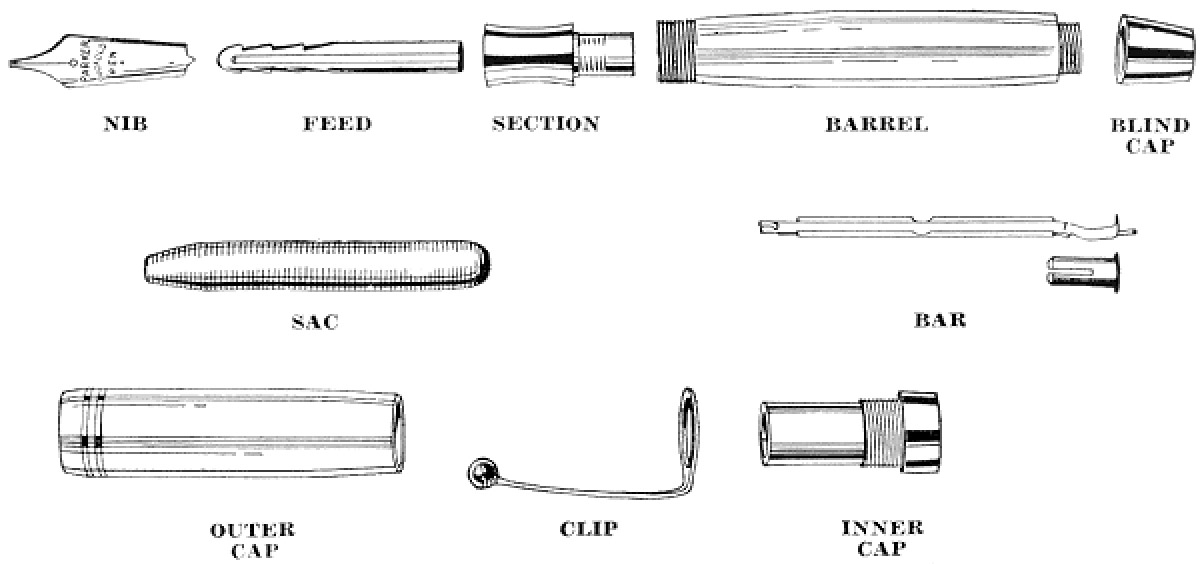
An Anatomy picture of Duofold [source]
A Community Hub for Historical Engagement
Beyond being a place that preserves history, the Helen J. Wood Museum Center acts as a meeting point for those who care about the past and want to engage with it. The museum hosts regular events and programs that attract people from all walks of life, making history accessible and relevant. Visitors come to see how artifacts like the Parker Duofold fit into the broader story of Rock County, creating a shared sense of pride. This museum shows how historical societies can bridge the gap between the past and present, giving communities a stronger sense of identity. |
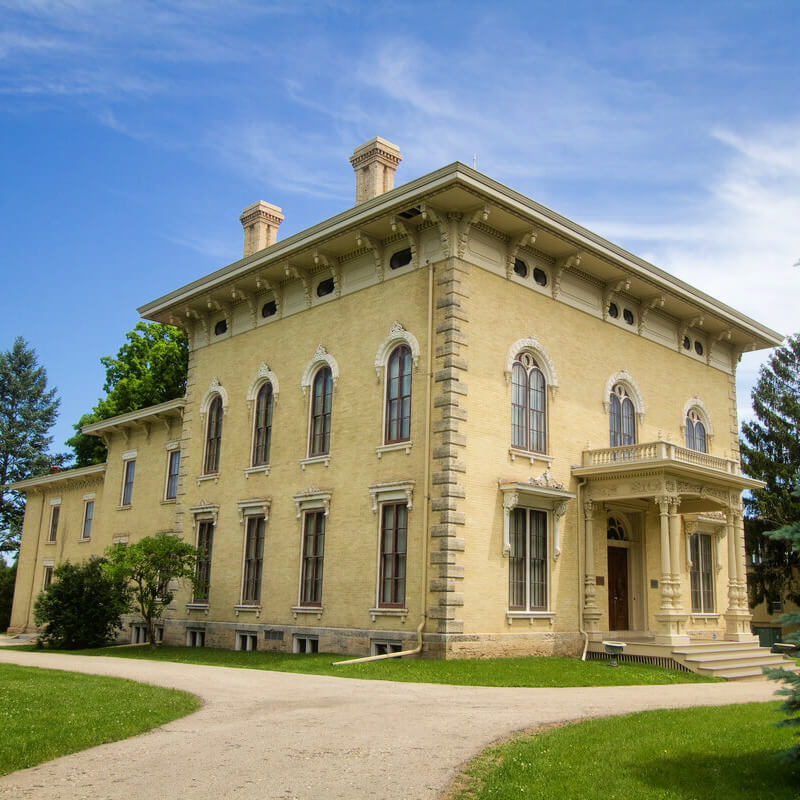
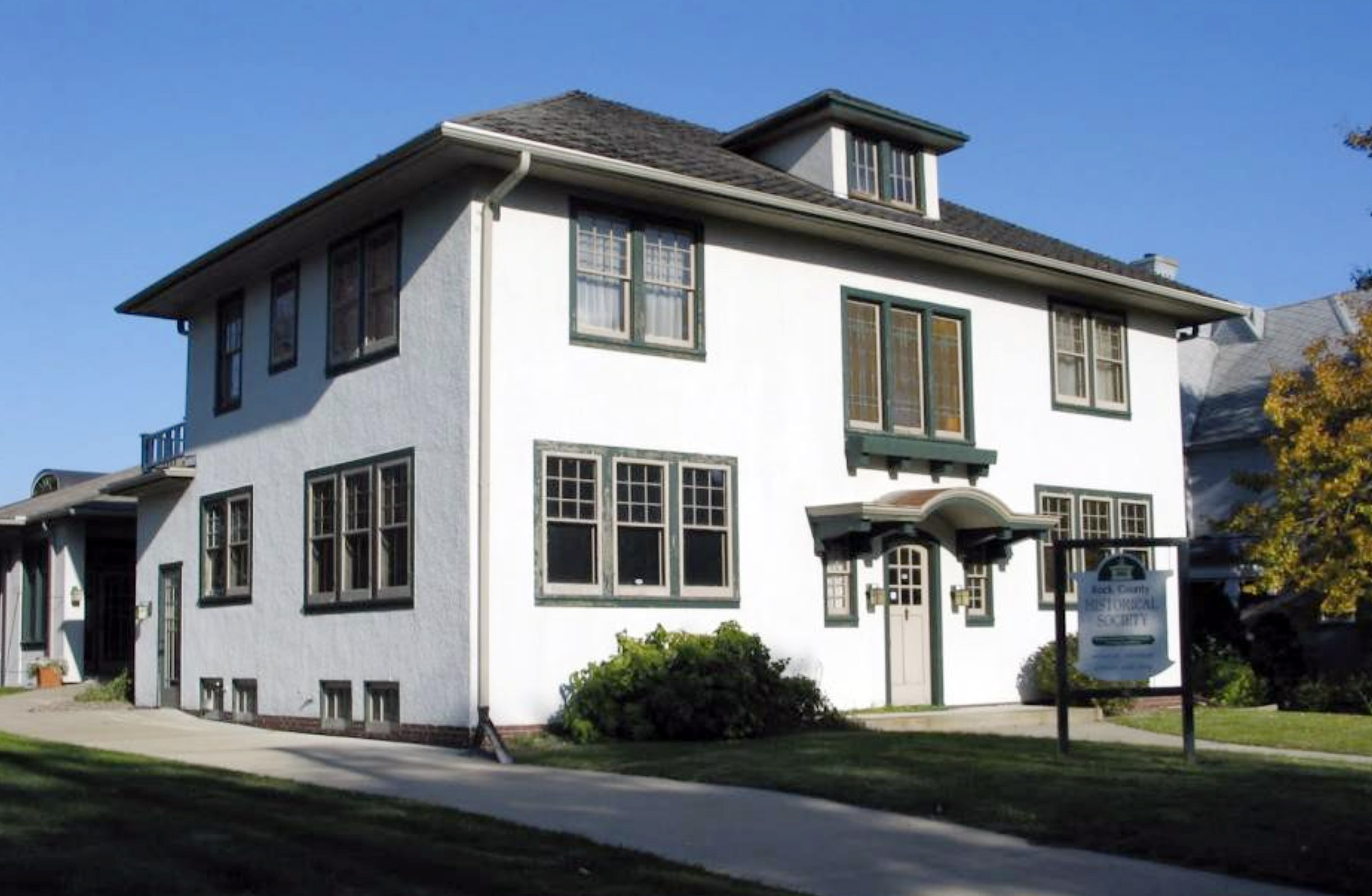
The Rock County Historical Society building at 426 N Jackson St- Janesville [source]
Conclusion: The Legacy Continues
The Rock County Historical Society, with the Helen J. Wood Museum Center at its core, continues its mission of preserving Janesville ’ s unique history. The Parker Duofold from 1922 is more than just an object—it symbolizes the innovative spirit that still resonates in Rock County today. With its beautiful architecture, thoughtfully presented exhibits, and dedication to community engagement, the Helen J. Wood Museum Center ensures that the stories of Rock County are preserved and celebrated. This legacy encourages visitors to appreciate where they come from and consider how they can contribute to its ongoing story. |
Timeline
|
Demographics
|
Why did I choose this object?
I am Zheng Liu, a senior at the University of Wisconsin-Madison, majoring in Economics and minoring in History. I chose the 1922 Parker Duofold Jr because it represents Wisconsin's industrial roots and embodies American innovation. By researching it, I gained deeper insights into the place where I live. Studying this iconic pen revealed its significance in revolutionizing the pen industry and how it symbolizes the ambition and craftsmanship of the Parker Pen Company and its impact on the local community. This exploration highlights the role of local industry in shaping Wisconsin's cultural identity and economic progress in the early 20th century. |
|
|
Zheng Liu
History 401 [Fall 2024]
Leslie A. Bellais
contact